Why Thousands of American Travelers Are Abandoning Consulate Appointments for India's e-Visa System
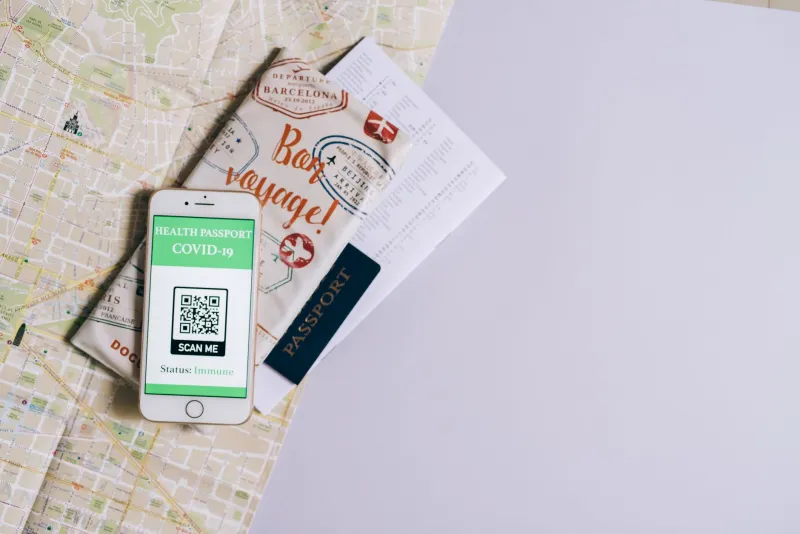
For decades, obtaining an Indian visa meant a familiar ritual for American travelers: downloading forms, gathering physical documents, scheduling an in-person appointment at one of India's consulates, and then waiting — sometimes for weeks — to receive a stamped passport in the mail. The process worked, but it was never particularly efficient. Today, a growing number of US travelers are quietly abandoning that route entirely, opting instead for India's electronic visa system. The reasons go well beyond simple convenience.
The Consulate Process: What Americans Have Been Working Around
India maintains consulates in six US cities — New York, Chicago, Houston, San Francisco, Atlanta, and Washington, D.C. For travelers who do not live near one of these locations, the traditional stamped visa has always required a significant logistical commitment. Applicants from states like Montana, Iowa, or Maine historically faced the choice of traveling to a consulate city in person or mailing their passport to a visa processing center — a prospect that understandably causes anxiety.
Beyond geography, the consulate process carries its own administrative weight. Required documents typically include a printed application form, passport-sized photographs meeting specific criteria, proof of onward travel, and financial documentation. Processing windows can stretch from five to fifteen business days under standard service, and expedited processing carries a premium that compounds the already substantial base fee.
For a traveler with a flexible schedule and a nearby consulate, these obstacles are manageable. For everyone else, they represent a meaningful friction point — one that the e-Visa system was specifically designed to eliminate.
What the e-Visa System Actually Offers
India's e-Visa program, administered through the official Indian government portal, allows eligible travelers to complete the entire application process online. There are no physical documents to submit, no passport to mail, and no appointment to schedule. The application is submitted digitally, and upon approval, the authorization is linked electronically to the applicant's passport number.
For American travelers, this structural difference carries several underappreciated advantages.
Geographic freedom. Whether you live in Manhattan or rural Wyoming, the application process is identical. There is no consulate proximity requirement, no regional processing center to navigate, and no need to arrange transportation or lodging around an appointment.
Timeline control. Standard e-Visa processing typically concludes within 72 to 96 hours for the majority of applicants, though travelers are strongly advised to apply at least four to seven business days before departure to allow buffer time. This compressed timeline gives US travelers meaningful flexibility when finalizing itineraries — particularly valuable in an era when flight prices fluctuate and plans evolve quickly.
Reduced documentation burden. The e-Visa application requires a digital photograph and a scan of the applicant's passport biographical page. Compared to the multi-document package required for a consulate stamp, the reduction in preparation time is substantial.
No passport surrender. Perhaps the most underrated advantage for frequent travelers: your passport never leaves your hands. Business travelers, in particular, cite this as a decisive factor. The ability to use a passport for other travel while an Indian visa is being processed is simply not possible under the traditional consulate system.
Cost Considerations Beyond the Application Fee
The direct fee comparison between an e-Visa and a consulate-issued stamp is relatively straightforward, but the full cost picture is more nuanced. When American travelers account for the indirect costs associated with consulate processing — transportation to a consulate city, potential overnight stays, time away from work, or visa agency service fees for those who outsource the process — the e-Visa frequently represents meaningful savings.
Visa facilitation agencies, which many travelers use to manage consulate applications on their behalf, typically charge service fees ranging from $50 to over $150 on top of the government fee. The e-Visa eliminates the need for this intermediary entirely for most applicants, provided they apply through the official government portal and follow the application guidelines carefully.
Situations Where the e-Visa Is the Clearer Choice
While the e-Visa is not universally available — it does not apply to all nationalities, and certain visa categories such as student or employment visas still require consulate processing — for the vast majority of American leisure and business travelers, it is the more practical instrument.
Specific scenarios where the e-Visa holds a distinct edge include:
-
Last-minute travel decisions. A traveler who books a flight to Mumbai three weeks out and lives in Denver has no realistic path to a consulate stamp without paying significant expedite fees and surrendering their passport at a critical window. The e-Visa resolves this entirely.
-
Multi-destination itineraries. Americans who are building complex international trips — routing through India as part of a broader Asia itinerary, for example — benefit from keeping their passport available for other visa processes running concurrently.
-
Business travelers with irregular schedules. Professionals who cannot predict their travel calendar weeks in advance find the e-Visa's shorter processing window more compatible with how they actually plan trips.
-
First-time India visitors managing logistics stress. For travelers already navigating unfamiliar territory — booking internal flights, arranging accommodation, preparing for health requirements — eliminating the consulate appointment removes one significant variable from an already complex preparation process.
Understanding the e-Visa's Limitations
A balanced assessment requires acknowledging where the e-Visa falls short. The system currently supports tourism, business, and medical visit categories, but it does not cover long-term stays, study, or employment purposes. Additionally, the e-Visa permits entry through designated airports and seaports only — travelers planning to enter India overland from Nepal, Bhutan, or other neighboring countries should verify entry point eligibility before applying.
The e-Visa is also valid for a defined period. The Tourist e-Visa, for instance, is typically issued with a validity of one year from the date of approval, with stays permitted up to 90 days per visit for US citizens. Travelers planning extended residency or repeated long stays should evaluate whether a traditional visa category better suits their needs.
A Practical Shift, Not a Temporary Trend
The movement of American travelers toward the e-Visa system reflects something broader than a preference for digital convenience. It reflects a rational response to a process that has become demonstrably more efficient, more accessible, and — for most applicants — less expensive when all costs are factored in.
India's e-Visa program has matured considerably since its initial rollout, and the infrastructure supporting it has grown more reliable. For US travelers planning their first visit or returning for another, the case for starting with the e-Visa is strong, straightforward, and increasingly difficult to argue against.
Before beginning your application, ensure you are using the official Indian government e-Visa portal and that your travel documents meet current photograph and passport validity requirements. A careful first submission remains the most reliable path to timely approval.